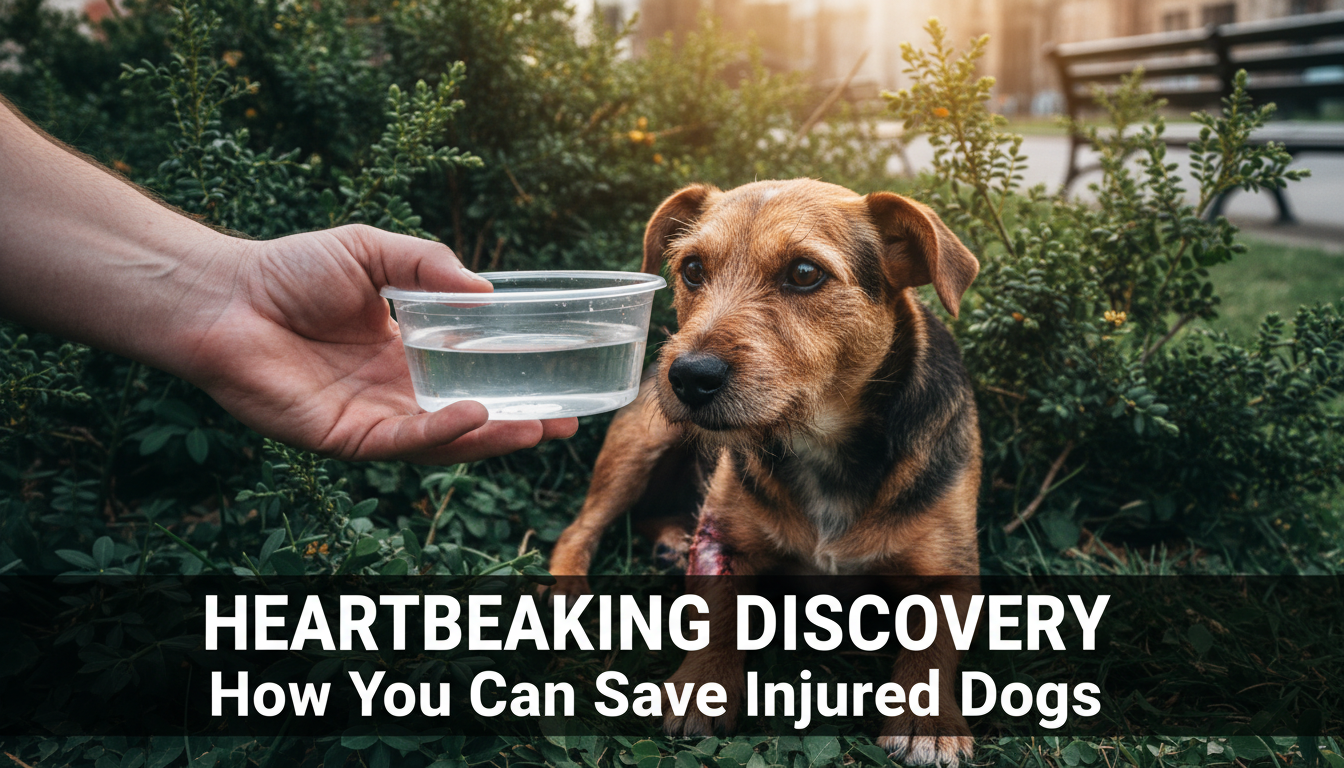
Why We Must Save Injured Dogs
Seeing a poor injured dog can be heartbreaking. Many of us feel a strong urge to help. However, knowing the right steps is crucial. Our compassion can make a real difference. Therefore, understanding safe rescue practices is essential.
Injured dogs often face immense suffering. They might be scared and disoriented. Furthermore, they could be in pain. We must act responsibly to save injured dogs. Your swift, informed actions can truly change a life.
Spotting an Injured Dog
Firstly, look for clear signs of injury. A dog might be limping or unable to stand. Perhaps they are whimpering or unusually still. Visible wounds or bleeding are also indicators. Observing from a safe distance is always best. Consequently, you can assess the situation without causing further stress.

First Steps to Save Injured Dogs Safely
Approach with extreme caution. Injured animals can bite, even if they are usually gentle. Their pain makes them unpredictable. Therefore, never rush towards an unfamiliar animal. Speak softly and move slowly. This helps to avoid startling them.
Consider your own safety first. Can you safely reach the dog? Do you have protective gear? For example, thick gloves can offer some protection. Remember, a safe rescuer is an effective rescuer.
Assessing the Situation
Observe the dog’s surroundings. Are they in immediate danger, like traffic? How severe does the injury appear? Moreover, note if the dog is conscious. This initial assessment guides your next actions. A quick evaluation is vital.

Calling for Help
Contact local animal control or a rescue organization immediately. These professionals have expertise and equipment. For instance, they can tranquilize a frightened animal. Explain the situation clearly. Provide the exact location and details of the dog’s condition. Many organizations, like those found in a stray dog rescue surprising discovery, are well-equipped to handle such emergencies. Consequently, expert help ensures the best outcome.
You might also reach out to a local veterinarian. They can offer advice over the phone. Furthermore, they might direct you to an emergency clinic. Never hesitate to call for professional assistance. This is especially true if you are unsure.
Providing Initial Care
If the dog is not aggressive and appears stable, offer fresh water. A small amount of food might also be appropriate. However, avoid giving medication. Only a vet should administer drugs. Do not try to move the dog unless absolutely necessary.

You can create a makeshift shelter. A blanket or cardboard box provides comfort. This helps keep them warm and calm. Sometimes, simply sitting quietly nearby can reassure the animal. Indeed, patience is a virtue in these situations.
What NOT to Do
Do not attempt to self-diagnose or treat severe injuries. This could worsen the situation. For example, moving a dog with a spinal injury is dangerous. Avoid forcing food or water. Furthermore, never leave an injured dog unattended for long periods. Your presence alone can be comforting.
Remember, your primary role is to secure the animal and seek professional help. Organizations focused on senior dog rescue often share valuable insights on handling vulnerable animals. Their experience highlights the importance of professional intervention.
Long-Term Impact and Support
Helping an injured dog creates lasting impact. Even simple acts save injured dogs. Volunteering at a local shelter is one way to contribute. Moreover, donating to animal welfare groups provides vital resources. These organizations work tirelessly.
Education is another powerful tool. Share information about animal first aid. Encourage responsible pet ownership. Ultimately, every effort counts. Many amazing stories, like The Unsung Hero of the Pavement, highlight the profound bond between humans and rescued animals.
Understanding animal welfare is crucial for our communities. According to the ASPCA, millions of animals enter shelters each year. Many of these are strays or injured. Supporting these animals improves public health and safety. You can find more information about animal welfare and rescue efforts on the ASPCA website or learn about animal rescue on Wikipedia. Furthermore, local news often covers heartwarming rescue stories, such as those featured on CNN’s animal news section.
Conclusion
Knowing how to save injured dogs is a valuable skill. It combines compassion with practical action. Your calm and quick thinking can turn a dire situation into a hopeful one. Remember to prioritize safety for both yourself and the animal. Always seek professional help. Together, we can make a significant difference for our canine friends. Therefore, stay informed and be ready to help when needed.